Understanding Natural Pet Anxiety Relief: What Works and What Doesn't
When Your Pet's Anxiety Needs More Than a Pat on the Head
I have been around animals my whole life, from nervous rescue dogs to cats that hide under the bed for days. One thing I have learned is that anxiety in pets is real, it is common, and it often needs more than just comfort. A few years ago, my own dog started pacing during thunderstorms and refusing treats. That is when I began looking into natural pet anxiety relief options that actually work without turning my home into a pharmacy.
Anxiety in dogs and cats shows up in many ways. Pacing, barking, destructive chewing, hiding, or even changes in appetite. The causes vary too. Separation, loud noises, new environments, or aging can all trigger it. For pet owners who want to avoid heavy medications, the market now offers a wide range of nutraceuticals and calming aids. But knowing which ones are backed by real science and which are just marketing fluff takes some digging.
What Natural Pet Anxiety Relief Really Means
When I talk about natural pet anxiety relief, I mean using ingredients and methods that support the nervous system without prescription sedatives. These can include herbal supplements, amino acids, pheromone sprays, and even calming wraps. The idea is to help the pet feel safer and more balanced, not to knock them out.
One of the most popular categories today is pet treats infused with active compounds. Many of these treats contain hemp oil or CBD, which are derived from hemp plants and have shown promise for calming anxious dogs. CBD interacts with the endocannabinoid system, which helps regulate mood and stress. But not all CBD is the same. The quality and dosage matter a lot. That is why many veterinarians now recommend vet CBD products that are tested for purity and potency.
Key Ingredients That Actually Help
Over the years, I have tested several supplements on my own pets and talked to other owners and trainers. Here are the ingredients that consistently come up as effective:
- L-theanine - An amino acid found in green tea that promotes relaxation without drowsiness. It works by increasing calming brain waves. Many calming chews include it because it is gentle and fast-acting.
- Chamomile - A familiar herb for humans, chamomile also works for pets. It has mild sedative properties and can be found in teas or treats. It is especially good for mild anxiety like car rides.
- Valerian root - This root has a strong smell that some pets love and others hate. It acts similarly to mild sedatives and can help with noise phobias. I have used it during fireworks season with decent results.
- Ashwagandha - An adaptogenic herb that helps the body handle stress. It is becoming more common in high-end pet supplements. It supports adrenal function, which can get overworked in anxious dogs.
- Tryptophan - An amino acid that the body converts into serotonin, the feel-good neurotransmitter. Some pet treats now include it to promote a calm mood over time.
Not every ingredient works for every pet. I have seen valerian root calm one dog completely while another barely noticed. That is why many products combine several of these into a single formula. Brands like Composure and Solliquin use blends of these ingredients to target different pathways in the brain.
Beyond Supplements: Tools and Techniques
Supplements are only part of the picture. For some pets, physical aids make a huge difference. One product I have seen work wonders is the ThunderShirt, a snug wrap that applies gentle pressure to a dog's torso, similar to swaddling a baby. Another is the anxiety wrap, which works on the same principle. These are drug-free and can be used during storms, vet visits, or travel.
Pheromone products like Adaptil (for dogs) and its cat counterpart mimic the calming pheromones that mothers release to comfort their young. They come as collars, sprays, or diffusers. I have found them subtle but helpful for background anxiety, especially in multi-pet households. Zylkene is another option. It contains a milk protein that has a calming effect on the nervous system. It is tasteless and can be mixed into food.
Rescue Remedy, a flower essence blend, is also popular among holistic pet owners. While the science is thin, many people swear by it for travel anxiety. It is worth trying if other methods have not worked, as long as you keep expectations realistic.
Putting It All Together: A Practical Routine
I do not recommend throwing every product at a pet all at once. Instead, start with one change and observe. For example, if your dog gets anxious during car rides, try giving a treat with L-theanine and chamomile thirty minutes before leaving. See if that reduces panting or whining. If not, add an Adaptil collar or a ThunderShirt. The goal is to find the lowest effective combination.
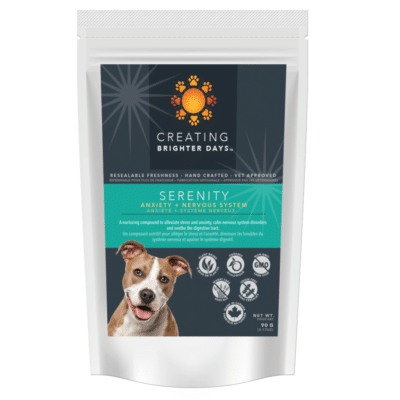
Some owners, especially those who use cannabis themselves, ask about using CBD oil or hemp oil for their pets. That is where a store like Kush Station comes in. They carry a variety of nutraceuticals and pet treats designed for canine anxiety. I have bought from them before and found the product descriptions honest about what each item can and cannot do. They also stock mushroom supplements, though those are more for immune support than anxiety.
It is important to know that not all human CBD products are safe for pets. Some contain THC, which can be toxic to dogs. Always look for vet CBD products specifically formulated for animals. Also, skip melatonin for dogs unless a vet recommends it. While melatonin is a natural hormone, the dosages in human supplements are often too high and can disrupt a dog's system.
What the Research Says
Studies on natural pet anxiety relief are still growing, but the early results are promising. Research on L-theanine shows it increases alpha brain waves, which are associated with a calm but alert state. Chamomile and valerian root have been used for centuries in humans, and veterinary studies are catching up. Ashwagandha has been shown to reduce cortisol levels in stressed animals. Tryptophan is well understood as a precursor to serotonin.
That said, not every product lives up to its label. The supplement industry is not tightly regulated, so potency and purity vary. I always look for products that have a certificate of analysis from a third-party lab. Brands that invest in testing are more likely to deliver real results.
Final Thoughts on Choosing an Approach
Anxiety in pets is not a failure of training or love. It is a physiological condition that can be managed with the right tools. Natural pet anxiety relief offers a middle ground between doing nothing and using heavy pharmaceuticals. It is not a magic bullet, but for many pets, it makes a real difference.

If you are just starting out, keep a journal of what you try and how your pet responds. Note the dose, the timing, and the situation. Over time, you will see patterns. Some pets do best with a daily calming treat plus a wrap during triggers. Others need only occasional help. The key is patience and observation.
In my experience, the combination of a quality supplement, a calming environment, and a consistent routine works better than any single product. And when you find something that helps your pet relax, the relief for both of you is immense.